Custom Headstones: A Guide for Funeral Planners - Gifford Monument
Choosing a custom headstone is one of the most tangible ways grieving families honor a life. For funeral planners tasked with guiding loved ones through this…
- Granite is the most durable and widely recommended material for various climates.
- Always verify cemetery rules before finalizing the design to avoid costly changes.
- Offer families three budget-friendly options to reduce decision stress.
- Respect artists’ rights when commissioning original sculptures or carvings.
FAQs
How long does it take to get a custom headstone?
Fabrication typically takes 4–12 weeks, depending on the complexity and shop backlog; installation adds time, depending on the cemetery’s scheduling. Always confirm timelines with your vendor. (Use long-tail: custom headstone installation service.)
What material lasts the longest outdoors?
Granite is the most durable and widely recommended for long-term outdoor memorials because it resists weathering better than marble.
Can I use a personal photograph on a headstone?
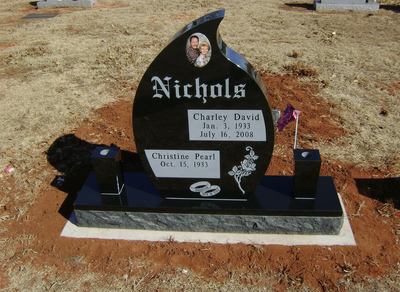
Yes. Photos are commonly reproduced via laser etching on polished granite. Provide a high-resolution image for best results. (Use long-tail: laser-etched photo headstone.)
What should an epitaph include?
Keep it concise: name, dates, and a brief sentiment (e.g., “Beloved mother, teacher, and friend”) or short quote. Space is limited, so prioritize clarity.
How do cemetery rules affect design?
Cemeteries may limit size, material, and style. Always obtain cemetery specifications early to ensure the chosen design complies with them.
Conclusion
A custom headstone is an enduring expression of love, memory, and identity. For funeral planners, the task is to translate grief into choices that are respectful, sustainable, and meaningful. This guide walked through styles, materials, the step-by-step design process, cemetery compliance, budgeting strategies, maintenance, and the important ethical questions that sometimes arise around bespoke artwork. Using a compassionate interview approach, offering clear sample options, and pre-checking cemetery rules turns a stressful process into one that empowers families.
Remember: durability (selecting appropriate materials), clarity (confirming spelling and dates), and consent (respecting artists’ rights and cemetery rules) are non-negotiable pillars. Combine these practical standards with small acts of care (sample mockups, printed epitaph suggestions) and you’ll help families make decisions that comfort them years from now.
If this guide has helped you, please share it with a colleague or family member who is facing similar decisions about headstones. We’d love your feedback: what part was most helpful, and what would you like expanded?